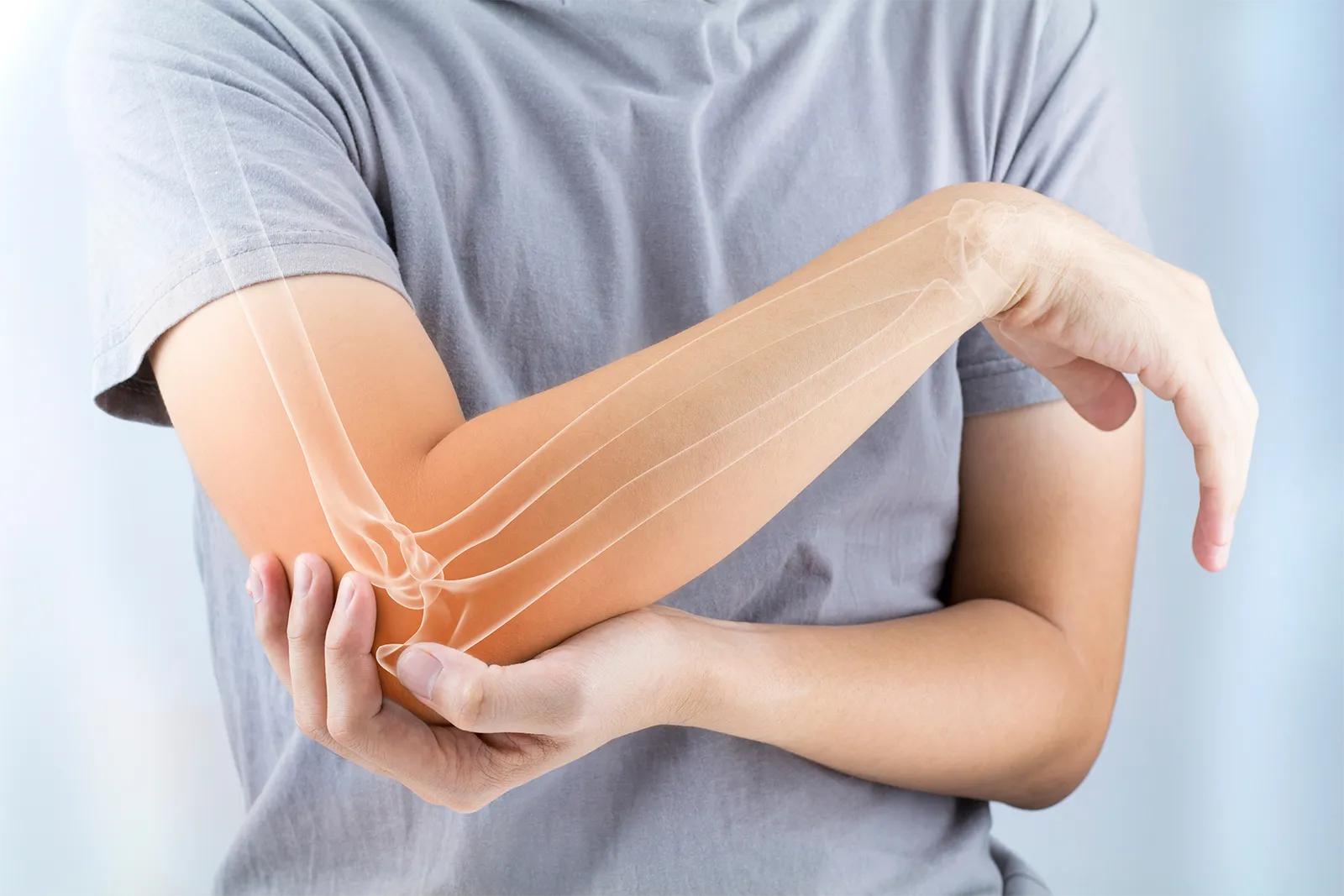
Strong bones support everything you do—
from walking and exercising to simply getting through your daily routine. But bone health can change with age, and a gradual loss of bone density can increase fracture risk.
Osteoporosis is a condition that makes bones weaker and more fragile. Because it may develop without noticeable symptoms, understanding your risk and knowing when to have your bone health evaluated are important parts of preventive care.
What Is Osteoporosis?
Osteoporosis occurs when the body removes bone faster than it replaces it, does not produce enough new bone, or a combination of both.
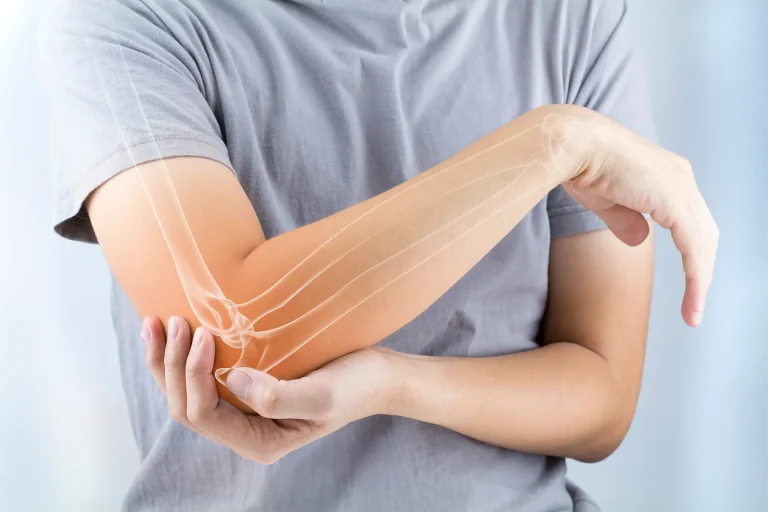
The result is decreased bone density and strength. Healthy bone contains small spaces that help give it structure. With osteoporosis, those spaces become larger, leaving the bone more porous and vulnerable to breaking.
A fracture does not always require a major accident when osteoporosis is present. In more advanced cases, everyday movements or relatively minor incidents can result in a broken bone.
Why Does Bone Density Matter?
Bone density is one indicator of how strong your bones are. As bone density decreases, the likelihood of a fracture can increase.
For adults over 50, fractures related to osteoporosis and low bone mass are a significant concern. The Bone Health & Osteoporosis Foundation reports that approximately half of women and as many as one in four men age 50 and older will experience a fracture related to osteoporosis, low bone mass, or even normal bone density.
A broken bone after age 50 is also worth discussing with a healthcare provider. A previous fracture can substantially increase the likelihood of another, particularly in the years immediately following the first fracture.
How Do You Know If You Have Osteoporosis?
You cannot always tell whether your bones are losing density based on how you feel. That’s why bone density screening can be an important tool for identifying osteoporosis and low bone mass.
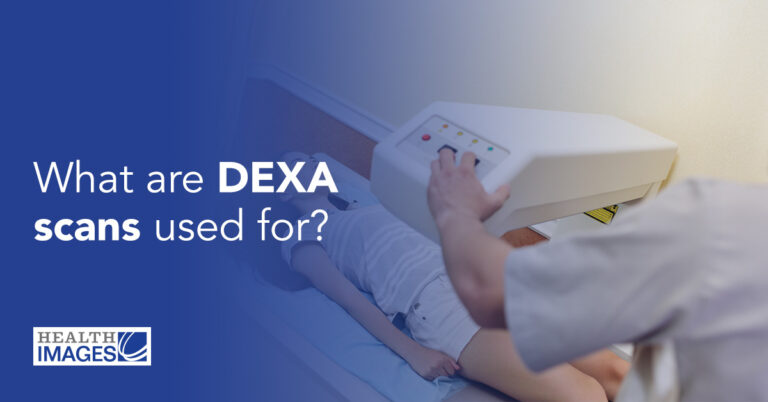
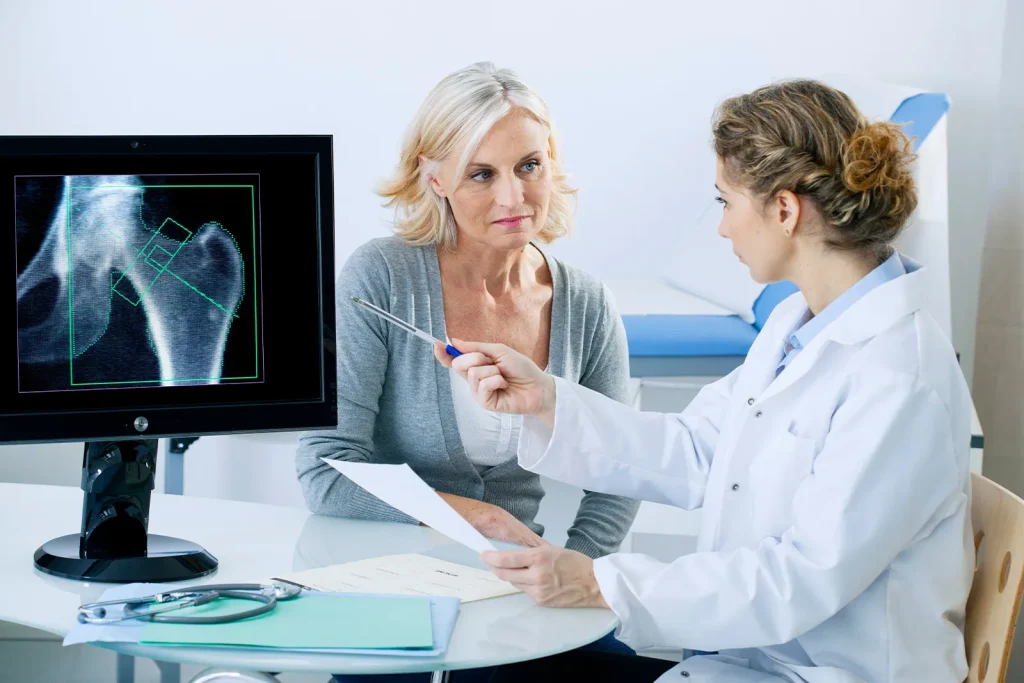
The standard test used to evaluate bone mineral density is called a DXA scan, also commonly referred to as a DEXA scan or bone density test.
A DXA scan can give your healthcare provider information about your bone density and help determine whether additional evaluation or treatment may be appropriate.
When Should You Get a Bone Density Test?
The Bone Health & Osteoporosis Foundation recommends bone density testing for:
- Women beginning at age 65
- Men beginning at age 70
You may also need to discuss testing before those ages if certain risk factors apply.
Talk with your healthcare provider about bone density screening if you have a family history of osteoporosis, have a condition associated with bone loss, or are 50 or older and have experienced a fracture.
Your healthcare provider can help determine when bone density testing makes sense based on your individual health history.
What Can You Do to Support Bone Health?
Your daily habits can play an important role in maintaining healthy bones. Several lifestyle factors can help support bone strength and overall bone health.
1. Build a Balanced Diet
The foods you eat provide many of the nutrients your body needs to maintain healthy bones.
A balanced diet that includes foods such as dairy products, fish, fruits, and vegetables can help provide important nutrients. Calcium-fortified foods and beverages may also contribute to your daily calcium intake.
Smoking should be avoided, and the BHOF recommends limiting alcohol and caffeinated beverages.
2. Pay Attention to Calcium and Vitamin D
Calcium is an important building block for bones, and food is generally the preferred way to get calcium.
Milk, yogurt, and cheese are well-known calcium sources. Calcium can also be found in certain vegetables and in foods and beverages fortified with calcium.
The BHOF material recommends:
- 1,000 mg of calcium each day for women over 50 and men over 70
- 800–1,000 IU of vitamin D each day for adults over 50
The body produces vitamin D in response to sunlight, but sunlight and food may not provide enough for everyone. If you’re considering a vitamin D or calcium supplement, talk with your healthcare provider about what is appropriate for you.
3. Keep Moving
Physical activity is another important part of maintaining bone health.
Two types of exercise are particularly useful:
Weight-bearing activities work your bones while you move against gravity. Examples include walking, dancing, jogging, and climbing stairs.
Muscle-strengthening activities use resistance to challenge your muscles and support bone health. These can include weightlifting, resistance-band exercises, body-weight movements, certain yoga positions, tai chi, and balance exercises.
If you’re starting a new exercise routine, especially if you already have concerns about your bone health, talk with your healthcare provider first.
Can Exercise Help If You Already Have Osteoporosis?
Physical activity doesn’t have to stop because of osteoporosis. In fact, working with a professional who understands osteoporosis can help you find safe ways to stay active.
A physical therapist or qualified exercise professional can evaluate your current abilities and develop an exercise program suited to your needs. Depending on the individual, a program may incorporate strength, balance, and posture exercises designed to help reduce the risk of falls and injury.
What Treatments Are Available for Osteoporosis?
Osteoporosis can be treated. Healthcare providers may recommend medications that help slow bone loss and lower fracture risk.
Treatment options vary. Some medications are designed primarily to preserve existing bone and slow further loss, while others focus on stimulating new bone formation. Some treatments can do both.
Osteoporosis medications are available in different forms, including oral medications and intravenous treatments. The right choice depends on factors such as your health history and personal preferences.
No single osteoporosis treatment is right for everyone. Your healthcare provider can help determine the right approach for you.

How Is Osteoporosis Treatment Monitored?
Managing osteoporosis is an ongoing process. Your healthcare provider may periodically repeat a bone density test and order laboratory testing to monitor your progress.
Successful treatment does not necessarily mean seeing a dramatic increase in bone density. One of the primary goals is to prevent additional bone loss and reduce the likelihood of future fractures.
Because osteoporosis is a long-term condition, your treatment plan may change over time as your health and needs change.
When Should You Talk to Your Healthcare Provider About Bone Health?
Don’t wait for a fracture to start thinking about your bones.
Consider talking with your healthcare provider about bone health if you:
- Are approaching the recommended age for a bone density test
- Have a family history of osteoporosis
- Have a condition that may contribute to bone loss
- Are 50 or older and have experienced a fracture
- Have questions about calcium or vitamin D
- Want to start a new exercise program and have concerns about your bone health
Your provider can help you understand your individual risk and determine whether bone density screening or other steps may be appropriate.
The Bottom Line on Bone Health
Healthy bones are an important part of staying active and independent as you age.
You can support your bone health by eating a balanced diet, getting adequate calcium and vitamin D, staying physically active, avoiding smoking, and talking with your healthcare provider about appropriate bone density screening.
If you’re at increased risk for osteoporosis, a DXA/DEXA bone density scan can provide valuable information about your bone health and help your healthcare team determine appropriate next steps.
Osteoporosis FAQs
What is the difference between osteoporosis and low bone mass?
Osteoporosis is a condition in which bones have become weak and less dense. Low bone mass, also called osteopenia, means bone density is lower than normal but does not necessarily meet the criteria for osteoporosis.
What is a DEXA scan used for?
A DEXA scan, also called a DXA scan or bone density test, is used to measure bone mineral density and evaluate bone health.
Who should have a bone density test?
The Bone Health & Osteoporosis Foundation recommends bone density testing for women age 65 and older and men age 70 and older. People with certain risk factors may benefit from testing earlier.
What foods are good for bone health?
A balanced diet that includes dairy products, fish, fruits, vegetables, and calcium-fortified foods and beverages can provide nutrients that support bone health.
What exercises are good for bone health?
Walking, dancing, jogging, stair climbing, resistance exercises, weightlifting, and certain balance and body-weight exercises can support bone health.
Can osteoporosis be treated?
Yes. Multiple medications are available to help slow bone loss, reduce fracture risk, and, in some cases, build bone. Your healthcare provider can help determine which treatment is appropriate for you.
Can you have osteoporosis without knowing it?
Osteoporosis can develop without obvious symptoms, which is one reason recommended bone density screening is important. Talk with your healthcare provider about your individual risk and whether you should be tested.
This article is intended for educational purposes only and is not a substitute for professional medical advice. Talk with your healthcare provider about your individual bone health, osteoporosis risk, and screening needs.
Ready for Your Imaging?
Explore our locations page to find convenient, high-quality imaging care in your area. You can count on us for patient-focused care and advanced imaging technology. Talk with your healthcare provider about getting a referral, then find a center near you to take the next step in your health journey.
For Providers
Do you have a patient who needs diagnostic imaging? Explore our provider resources to learn more about our imaging services, referral process, and tools designed to make it easier to connect your patients with the right care.